
Luxury Properties in Bali: Paradise Meets Smart Returns
- Vikrant Soni
- Aug 30
- 4 min read

Updated: 19 hours ago
Let’s talk about the upcoming billionaire investment hotspot – and it’s none other than Bali. This destination has long captivated high-net-worth individuals with its increasing tourism, verdant landscapes & vibrant culture. But beyond this vistas lies a rapidly maturing luxury real estate market – where savvy investors are securing not just a dream property, but impressive returns too.
This article unpacks the current drivers shaping Bali’s luxury properties, explores investment hotspots, analyses legal frameworks for foreign investors and spotlights emerging trends that are defining 2025 and beyond.
1. A Resurgent Market Built on Strong Tourism and Infrastructure
Bali’s tourism has roared back post pandemic. Since last year, the island has welcomed over 6.3 million international visitors, a sharp 19.5% increase from the previous year. This resurgence boosts short-term rental demand and underpins investor confidence with ease. Moreover, with better access comes more opportunities for real estate investment.
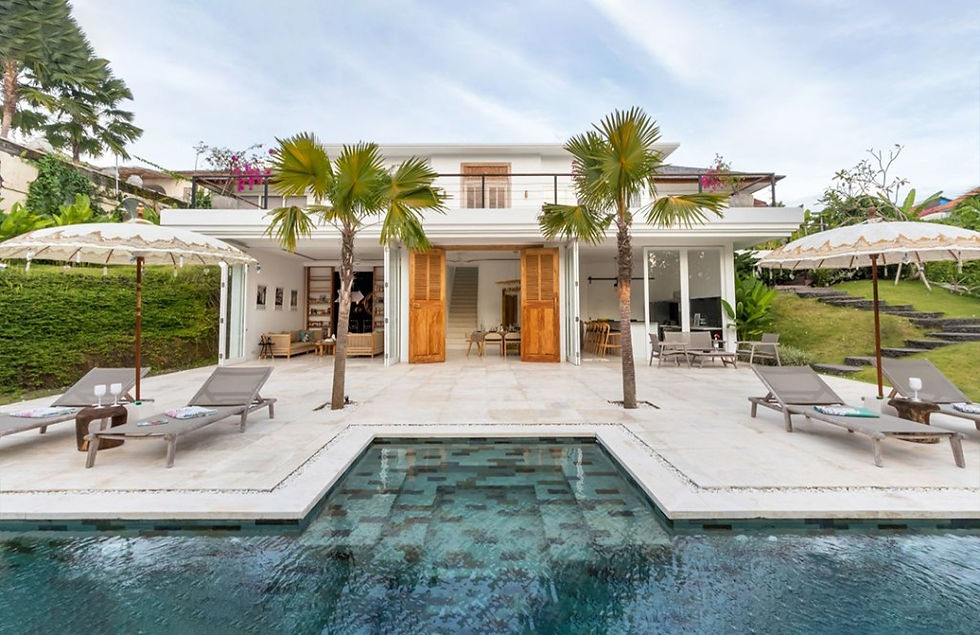
New infrastructure projects in Bali are growing rapidly as compared to the luxury real estate India. This includes expansions and plans for a new airport and improved connectivity that have made previously overlooked areas like North Bali and Tabanan more viable for development. This has made the prospect of development in real estate more optimistic.
2. Legal Landscape: How Foreigners Can Invest in Bali Real Estate
Foreigners cannot directly own freehold land in Bali due to Indonesian law, but several legal structures make investment possible. The most common is leasehold (Hak Sewa), typically structured for 25–30 years with renewal options, while Hak Pakai (“Right to Use”) offers a more straightforward legal route increasingly available to foreigners. Another aspect is establishing a PT PMA (foreign-owned company), which allows property control and ownership within Indonesian law.

Beyond these, innovative models are also emerging. We have discussed previously about the concept of Fractional Ownership. Fractional ownership and tokenization platforms make investing more affordable and liquid, while hotel-managed luxury properties – sometimes partnered with global brands like Four Seasons – provide hassle-free management, strong brand value, and potential rental guarantees of 8–12% ROI.
3. ROI Snapshot: What Investors Are Earning
According to a development guide, luxury villa investments in Bali typically yield:
Investors often earn 10–20% annually, with ROI achieved in 5–8 years. Broader luxury rental yields across Bali stand at 8–15%, particularly in fast-appreciating areas like Cemagi, Canggu and Pererenan.
4. High-Yield Hotspots and Emerging Locations
Bali’s real estate market offers both established luxury zones and emerging hotspots for high-yield investments. Prime areas like Seminyak, Canggu and Uluwatu continue to dominate with strong demand, especially for beachfront and cliffside villas that cater to premium buyers or potential people putting these on rent.
Meanwhile, real estate Bali for sale has new frontiers which are drawing investor attention: Tabanan is rising as a wellness and prominent eco-tourism hub with lower entry costs and strong appreciation potential; North Bali (Lovina and Singaraja) is becoming more attractive thanks to improved infrastructure and relatively affordable oceanfront opportunities; and Pererenan and Seseh are quickly gaining traction with expats and digital nomads, offering boutique luxury properties and excellent rental yields.
5. Key Investment Trends in 2025
Eco-Luxury Retreats and Wellness Design
Comfort, rejuvenation & luxury is a leading trend: Retreats with ultra-luxurious designs & wellness amenities like yoga pavilions and spa zones are highly valued.
Smart Homes and Automation
Demand for fully automated homes is surging (+40% year-over-year). Features like app-controlled lighting, curtains, security, and even facial recognition are redefining “quiet luxury”.
Art & Cultural Experiences
The types of real estate properties including the luxury villas are doubling as art galleries – teeming with Ubud murals, cultural installations, and hosted workshops – to create experiential rental offerings.
Experience Real Estate
Properties managed by top-tier hotel chains offer brand prestige and professional management, with embedded revenue-sharing models for investors.
Conclusion
Bali’s luxury real estate market is evolving. The core fundamentals continue to make it a compelling investment. With tourism thriving and growing demand from luxury, tech-savvy and dynamic investment demographics, the island offers consistently strong ROI potential. Moreover, luxury properties, innovative ownership structures, partnerships with global hotel brands, fractional ownership and technology-driven models are making entry easier while enhancing returns. Importantly, regulatory trends point toward sustainable, culturally aligned growth rather than unchecked development, adding long-term stability. Connect with us to invest in high-performing assets with escalated ROI.
Frequently Asked Questions (FAQ’s)
What kind of returns can I expect from a luxury villa investment in Bali?
Depending on location and infrastructure luxury properties in Bali typically generate 8–15% annual rental yields. In prime areas like Seminyak, Canggu or Uluwatu, ROI can be achieved within 5–8 years.
2. How is the demand for short-term rentals in Bali?
Very strong. Bali welcomed 6.3 million international tourists in 2024, many online platforms show consistently high demand. Well-managed villas in prime areas achieve occupancy rates of 70–90%.
3. How can we help?
Between evolving regulations and identifying the right opportunities, investors often need more than just capital – investors need a trusted partner. That’s where Sawai Capital comes in. We provide investors with luxury properties & in-depth market analysis – covering emerging hotspots, demand trends, rental yield benchmarks and long-term appreciation potential. Our insights focus on data-driven projections that maximize ROI while mitigating risks.


Comments